
Websites That Generate RFQs — Not Just Visitors
Manufacturing buyers are technical, skeptical, and slow to decide. I build websites designed for how they actually evaluate vendors — not how marketing wants them to behave.
What is manufacturing website design?
Manufacturing website design is the process of building websites specifically for manufacturers that need to generate RFQ submissions from engineers, procurement managers, and operations leads. It requires technical content architecture surfacing certifications, tolerances, materials, and lead times quickly — alongside buyer-specific information pathways, industry-focused SEO targeting buyer-intent searches, and low-friction RFQ forms. Generic B2B templates fail manufacturing buyers because they don't surface technical specifications fast enough.
Why Most Manufacturing Websites Don't Generate Pipeline
Your website was built for visibility, not pipeline
Most manufacturing sites are digital catalogs. They list capabilities, post a phone number, and wait. Buyers who can't quickly find the information they need to evaluate you move on to whoever makes it easiest.
Technical buyers need specs — fast
Engineers evaluating vendors don't read marketing copy. They want certifications, tolerances, materials, lead times, and minimum order quantities. If those aren't findable in 30 seconds, you're out of the running.
Procurement wants proof, not promises
Procurement teams need to justify vendor selection internally. Your site needs case studies, quality documentation, and capacity information — the things that let them build a business case without calling you.
SEO built for generic terms, not buyer intent
Ranking for 'machining services' attracts students writing papers. Ranking for 'precision CNC machining Ohio aerospace' attracts buyers. Most manufacturing sites aren't built for the searches that matter.
Three Buyers. One Website. Each Needs Different Things.
Manufacturing purchases involve multiple stakeholders. I build sites that serve all of them without overwhelming any of them.
Design Engineer
What they need from your site
- Technical specs and tolerances
- CAD file downloads
- Material compatibility
- Lead time estimates
Procurement Manager
What they need from your site
- Certifications and quality docs
- Capacity and scalability
- Case studies with similar projects
- Pricing structure (even if ranges)
Operations / Plant Manager
What they need from your site
- On-time delivery record
- Quality control processes
- Communication and responsiveness
- References from similar manufacturers
Manufacturing Websites I've Built
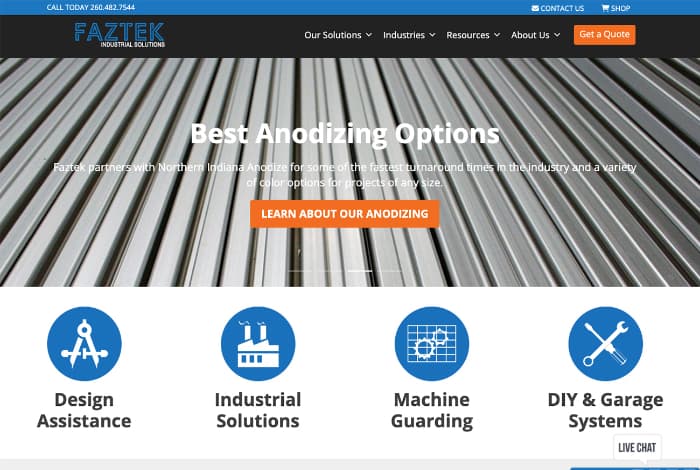
Faztek
SEO architecture rebuild and conversion-focused redesign for an aluminum framing manufacturer targeting engineers and system builders.
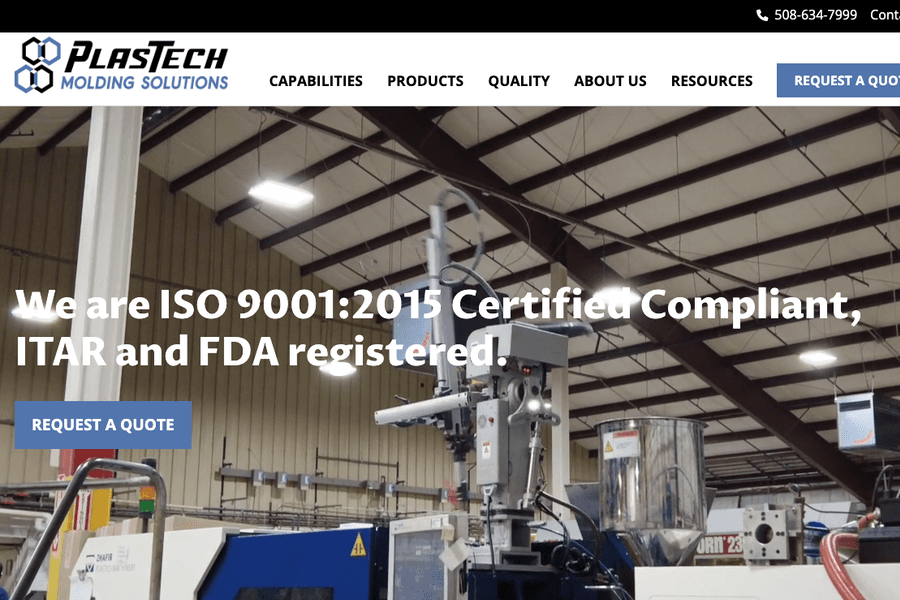
PlastechMold
Full website redesign built around RFQ generation — technical content, buyer-specific pathways, and conversion architecture for a custom molding shop.
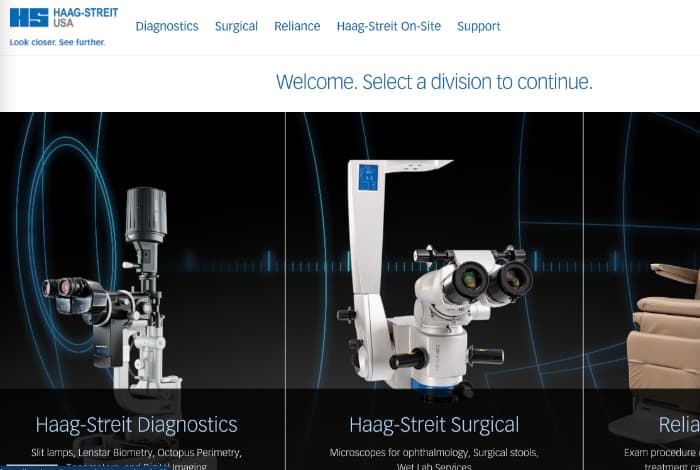
Haag-Streit
Redesigned a global optics manufacturer's web presence with persona-based UX for clinical buyers, procurement, and distributor channels.
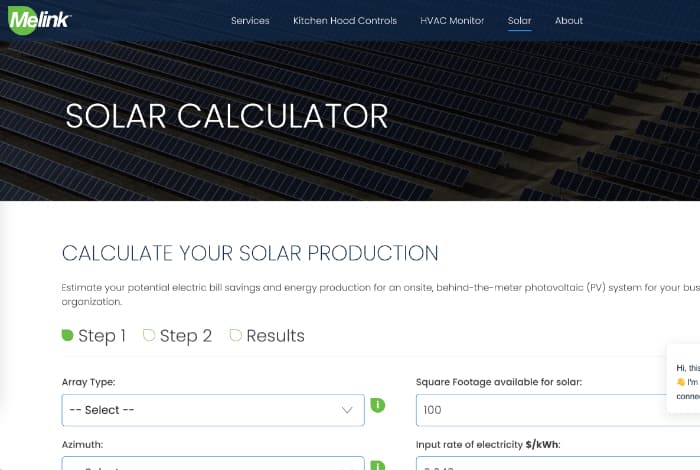
Melink
Conversion architecture rebuild for a sustainable HVAC engineering firm — optimized for facility managers, contractors, and commercial buyers.
How I Build Manufacturing Websites That Win Business
Buyer Persona Mapping
I define who your real buyers are — their role, what they need to know before reaching out, and the questions they ask at each stage of their evaluation. Then I build the site around their journey, not your org chart.
Industry SEO Architecture
I build keyword strategies around buyer-intent searches — specific processes, materials, industries, and geographies your buyers actually search for. Not generic terms that attract noise.
Technical Content Structure
Engineers and procurement teams need different things from the same page. I structure content hierarchies that surface the right information to the right reader without requiring them to dig.
RFQ and Lead Flow Optimization
I build contact and RFQ flows that reduce friction without reducing qualification. The right form length, the right placement, the right follow-up triggers — measured against real inquiry quality.
Build and Performance
Fast, clean code on a platform your team can actually update. No $10,000 change requests to add a capability page. Core Web Vitals that hold under real traffic from mobile field buyers.
The LAB Framework™
Every Black Lab Dev engagement follows the same structured methodology — so outcomes are predictable, not dependent on who gets assigned to the project.
Learn
Understand your business goals, target buyers, and technical constraints before touching a line of code or a single design element. Discovery isn't billable overhead — it's the work that makes everything else cost less.
Architect
Define the information architecture, content strategy, integration map, and conversion paths. Decisions made here prevent expensive course-corrections later — and produce websites that scale.
Build
Develop, optimize, and launch. Clean code, measurable performance, and a handoff your team can actually maintain. Measurement is in place before go-live, not added as an afterthought.
Frequently Asked Questions
What makes a manufacturing website different from other B2B sites?
Manufacturing buyers — engineers, procurement managers, and operations leads — need technical specificity fast. They're evaluating capabilities, tolerances, certifications, and lead times, not brand stories. A manufacturing website must surface specs, process descriptions, and RFQ paths quickly, for buyers who won't wait for a phone call to get basic answers.
Why don't most manufacturing websites generate RFQs?
Most manufacturing sites are digital catalogs — they list capabilities, post a phone number, and wait. Buyers who can't quickly find the information they need to evaluate a vendor move on. The absence of clear capability pages, technical content, industry-specific SEO, and low-friction RFQ forms is what kills pipeline.
How do you generate more RFQ submissions through a website?
By building the site around how procurement and engineering teams actually evaluate vendors: buyer persona mapping to define what each role needs, industry SEO targeting buyer-intent searches (specific processes, materials, and geographies), technical content structured for both engineers and procurement, and low-friction RFQ forms that reduce submission barriers without sacrificing lead quality.
Do manufacturers need a custom website or can they use a template?
Templates create generic positioning — and if your site looks like your five nearest competitors, buyers can't differentiate you. Manufacturing websites need capability-specific content architecture, industry SEO, and conversion paths designed for technical buyers. That's hard to achieve with a template built for everyone.
Do you work with manufacturers outside of Cincinnati?
Yes. Black Lab Development is based in Cincinnati, OH, but works with manufacturers and industrial companies nationwide. The engagement is fully remote-friendly — you work directly with the engineer, not a project manager relay.
How much does a manufacturing website cost?
Manufacturing website projects at Black Lab Development typically range from $10,000 to $40,000 depending on the number of capability pages, content complexity, RFQ workflow requirements, and integration needs (ERP, distributor portals, CAD file downloads). Engagements start with a free audit of your current site so scope and pricing are grounded in what you actually need, not a templated package.
How long does a manufacturing website take to build?
Most manufacturing website builds run 8–16 weeks from signed contract to launch. The timeline is driven by the number of capability and industry pages that need technical content written, stakeholder review cycles, and any custom RFQ or integration work. A clear project timeline is scoped before work begins — manufacturing buyers expect partners who deliver on time.
Related Services
Let's Build a Website That Gets You RFQs
Start with a manufacturing website audit. I'll show you exactly what buyers are finding (and not finding) on your current site, and what it would take to turn it into a lead generation asset.
I've done this for precision manufacturers, industrial suppliers, and complex B2B operations. I know the buyer behavior. I know what it takes.